AdvancedCharacter Compass
Read between the lines. Grow your own ideas.
Your child reads on their own. Now they’re exploring why characters act, what a writer hints at, and what they think about it.
Suggested age 10 and up. Every reader grows at their own pace.
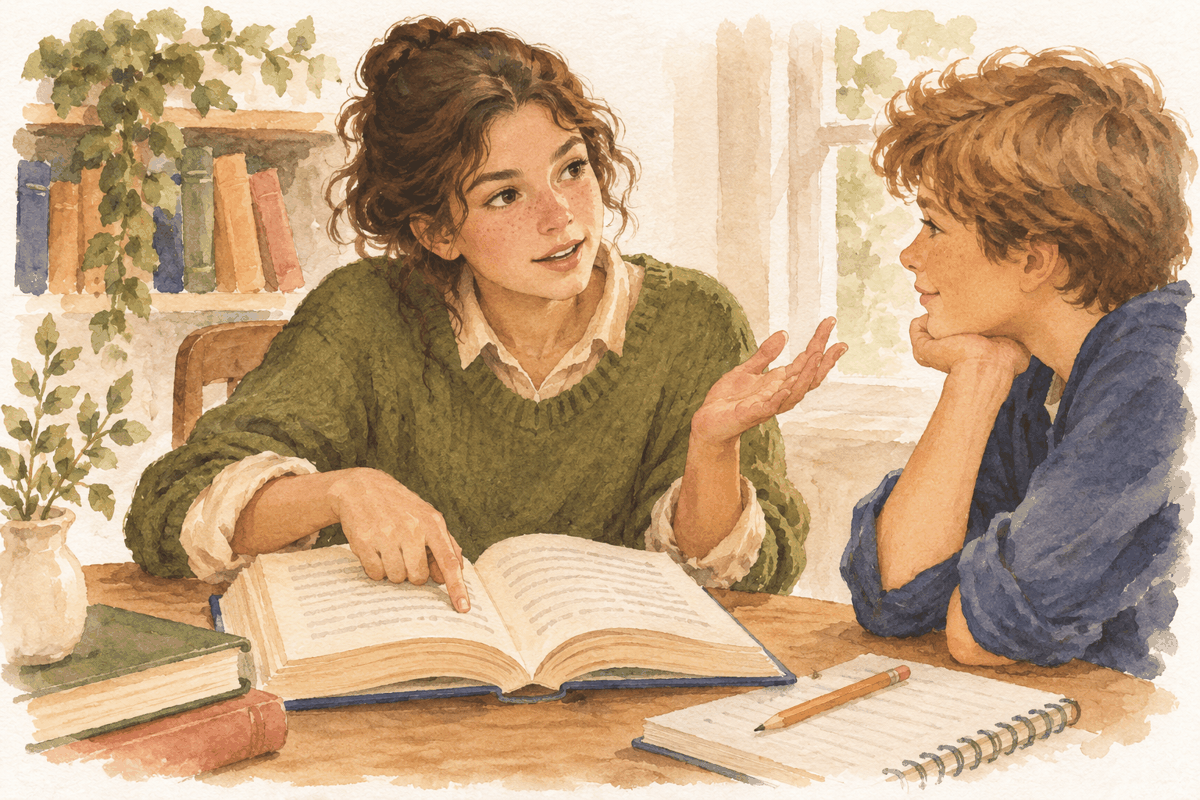
You might notice
“They know what the character did, but aren’t sure why.”
What we’ll work on
Notice small hints. Ask why. Explain your thinking.
Try it together
“I’m fine,” she said, hiding the invitation.
“How might she feel? What makes you think that?”
One skill grows: understanding a character
Your child moves from naming a feeling to weighing more than one explanation.
The writer tells you
“Lena felt left out.” Ask, “How does Lena feel?”
The writer hints
“Lena tucked the invitation away. ‘It’s nothing,’ she said.” Ask, “How might she feel? What gives you a clue?”
Connect beginning and end
Later, Lena invites someone who was left out. “What may have changed her thinking? Use details from both parts.”
Could both readings fit?
One reader thinks Lena is hurt. Another thinks she is embarrassed. “What supports each idea? Which convinces you, and why?”
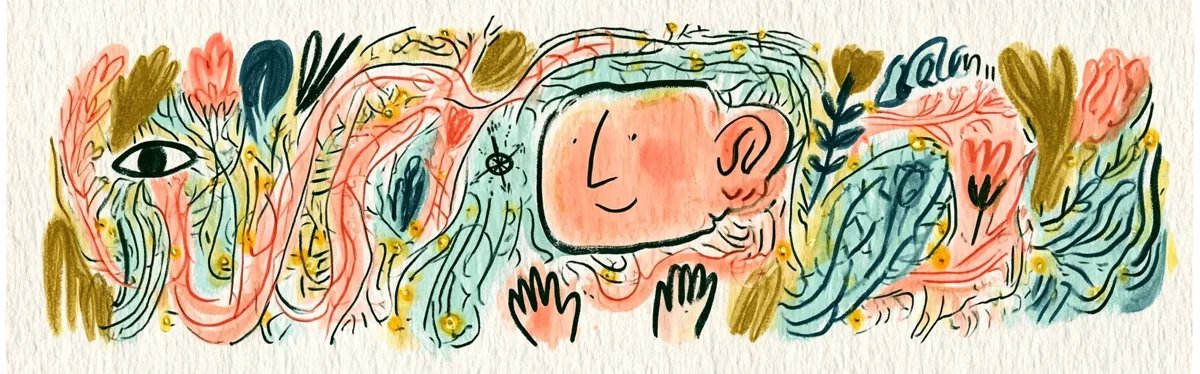
Inside your child's brain
Little by little, reading starts to connect.
Your child brings together the words on the page, what they know, and their own ideas.
- Land of Letters
- Land of Words
- Syllable Quest
- Book Journeys
- Character Compass
For the reader ready to think independently
Character Compass
Follow the evidence. Ask stronger questions. Build interpretations and your own ideas through thoughtful reading invitations.
Ms. Ashley teaches. Your child practices. Find the lessons and learning tools that fit this reading stage.